


People use the term “gut microbiome” all the time, and honestly, there’s a really good reason for this. Those trillions of tiny organisms living in our stomach? They’re not there just to break down your food and be the part of digestive system—they’re actually doing a lot, deciding about how body handles nutrients, keeps hormones in check and in balanced lavel, and manages your blood sugar.
With diabetes and other metabolic issues everywhere these days, figuring out this gut-blood sugar connection isn’t just another health trend—it’s important.
The Microbiome: Controller of the metabolic Show
Imagine your gut as a busy, active city crowded with bacteria, fungi, and all types of minute life. When the whole thing works together, digestion process goes very smoothly, irritation stays neutrally low, and your metabolism just whines along. But sometimes this balance between microbiomes gets disturbed (that is known as dysbiosis), things start to breakdown. Suddenly, blood sugar control level gets unstable, and insulin resistance starts to sneak in.
1. Microbial Metabolites (SCFAs): Tiny but Powerful
Here is something crazy: microbes present in stomach took fibre from food and convert it into short-chain fatty acids (SCFAs) like butyrate, acetate, and propionate. These tiny molecules have a big impact:
– They help cells to answer the insulin.
– They stimulate GLP-1, a hormone that suppresses blood sugar spikes.
– They fight irritation, which can afterwards messes with insulin.
– They strengthen your gut lining and keep harmful stuff out.
People with more bacteria that make SCFAs usually have steadier blood sugar and a healthier metabolism overall.
2. Gut Barrier: Your Body’s Bouncer
Think of your gut barrier as a tough security guard. It keeps the bad stuff where it belongs. But when your microbiome falls apart, that barrier starts to leak. Unpredictably, units like lipopolysaccharides (LPS) slip-up into blood. That’s called metabolic endotoxemia, and it is really not good.
What would occur next? You can get:
– Lasting, low-grade irritation
– Trouble with insulin signalling
– Higher fasting blood sugar
– Higher risks for obesity and metabolic condition
So, yeah, keeping gut wall strong really matters for your blood sugar.
3. Microbiome and Immune System: Always Chatting
Your immune system and gut microbes are basically always talking. If your guts out of balance, this conversation gets heated. You end up with extra irritation that blocks insulin from working right. But if microbiomes are balanced and various, immune system can relax, which means less drama inside the stomach, which eventually leads to less trouble with blood sugar.
Less irritation means your blood sugar stays under-control, and you’re less likely to run into insulin confrontation.
4. Gut–Brain Axis: Microbes and Your Cravings
Gut bacteria are not just for relaxing into stomach. They use to send signs to your brain, influencing what you crave and how much and when you feel hunger. They essentially make neurotransmitters and squash the hormones, which directing your body to do things like, when to eat and when to stop.
With the precise stomach microbes, you get:
– More hormones that make body to feel full (like PYY and GLP-1)
– Less sugar cravings
– Better eating habits, which help keep blood sugar steady
5. Your Microbiome Makes Your Blood Sugar Response Unique
Here is a fun fact: two different people eat the exact same meal and look totally different blood sugar symptoms. Why? Each person’s stomach microbiome is different from another. This is converting nutrition science and leading us toward personalized diets.
Building a Gut Microbiome, that Loves Your Blood Sugar. Want better blood sugar control? You can start by taking good care of your stomach. Here is what can actually work:
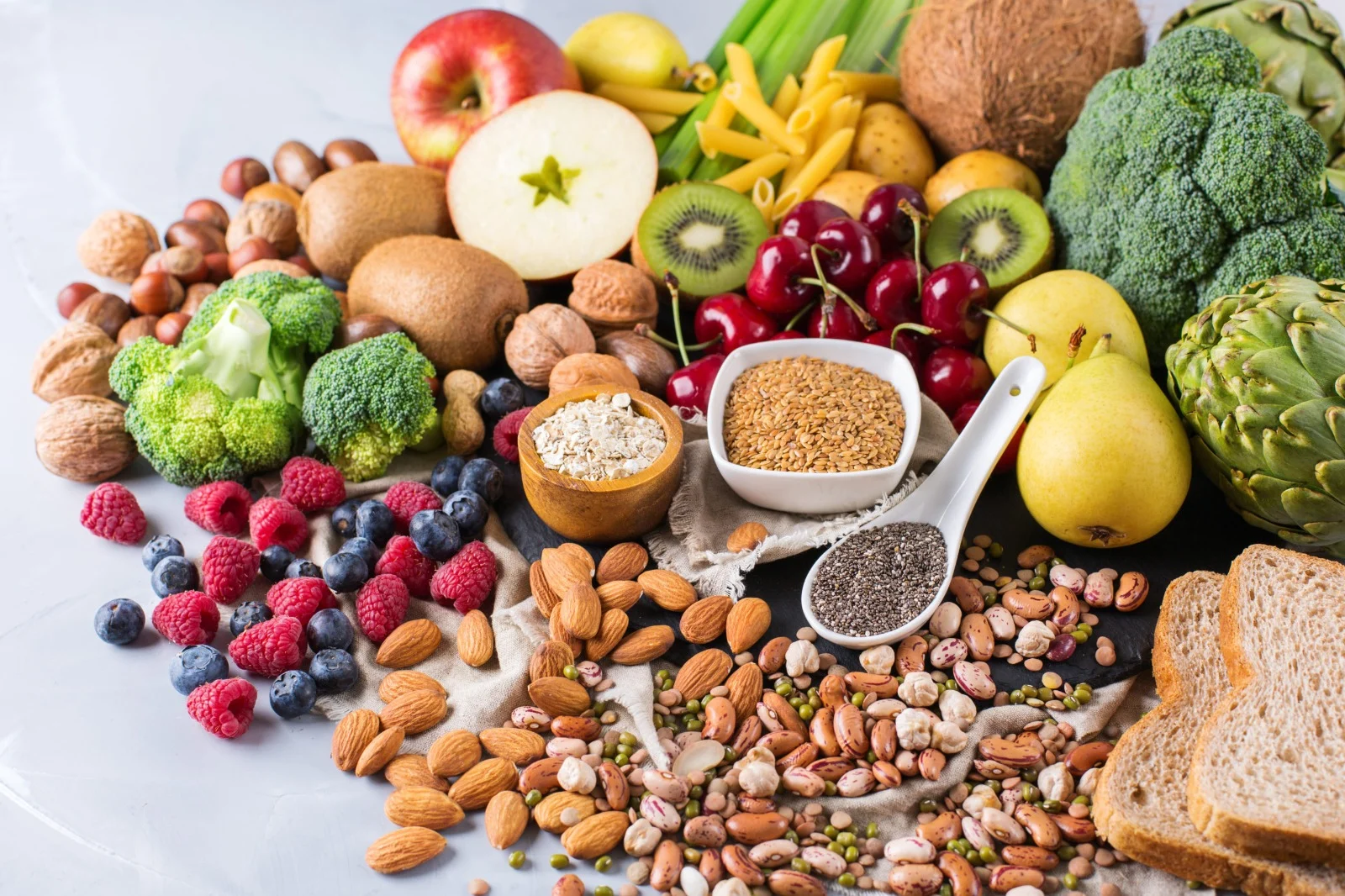
1. More Fiber Intake
Eat extra fruits, veggies, whole grains, beans, nuts, and seeds. These are rich in good bacteria that make those helpful SCFAs.
2. Add Agitated Foods in Diet
Things like yogurt, kefir, kimchi, sauerkraut, or even traditional fermented foods like Idli and dosa have friendly microbes that boost gut health.
3. Totally avoid Processed Foods
Sugary snacks, preservatives, and spices mess with your gut and make insulin fight worse.
4. Don’t Forget About Stress and Sleep
Both mess up your microbiome and throw off blood sugar. Sleep should be first priority and find different ways to relax.
5. Study Probiotics or Prebiotics (supplements)
Some additional supplements will definitely help, as long as you include the right ones in diet and consume them wisely.
Bottom Line
Gut microbiome isn’t just a passenger—it helps control your blood sugar and metabolism. From making SCFAs and protecting your stomach wall to comforting inflammation and sending hormone signals, gut microbes work like a secret metabolic organ.
So, take good care of your gut—with what you eat, how you live, and the habits you stick with. Your blood sugar (and your future self) will thank you for it.