


What happened
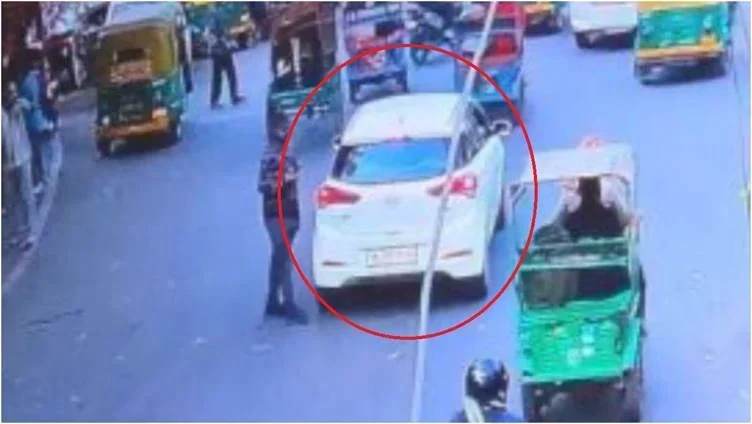
On the evening of 10 November 2025, a distressing blast ripped through a busy street near Gate No. 1 of the Red Fort Metro Station in Delhi. Establishments report that a white Hyundai i20 car stopped at a traffic signal then exploded in a powerful blast, killing at least eight people and injuring 20 or more.
The blast caused many nearby vehicles to catch fire and left the packed Old Delhi market zone in a state of chaos and terror.
Why it matters
- The blast happened in one of Delhi’s most overfilled and representative locations — a historic memorial and heavily go to area, increasing both the human cost and the emotional impression.
- Authorities have raised the Illegal Actions (Prevention) Act (UAPA) and the Explosives Act, treating the incident as far beyond a simple accident.
- Initial scientific examination indicates use of high-grade explosives (ammonium nitrate-based), suggesting significant planning and access to materials not typical of isolated incidents.
What investigations reveal
The probe has surfaced troubling details:
- The vehicle reportedly remained parked for hours in a lot near the site, then moved to the signal where the blast occurred. CCTV footage is being analysed.
- Links are being drawn to a separate discovery of nearly 2,900 kg of explosives in Faridabad, with possible overlap of personnel and material.
- A number of professionals, including medical doctors, are now under scrutiny by the National Investigation Agency (NIA) as investigators probe the network behind the blast.
The human toll
Witnesses described harrowing scenes: vehicles engulfed in flames, disabled rickshaws and shattered glass, bodies charred or dismembered, and families in disbelief.
One local vendor said: “The fireball lit up everything. We ran, people screamed — it was chaos.” The physical destruction is compounded by emotional devastation for the victims’ families and the local community.
Response and ripple effects
The Delhi government has started emergency support for the wounded and families of the deceased persons. At the nationwide level, security has been sensitive at some places like, metro stations, border zones and major shipment hubs are aware.
Prime Minister Narendra Modi swore that “those who are accountable will not be spared,” signalling the seriousness with which the government interpretations about this act.
Important questions still unanswered
- The explosion was a full-scale terror attack (suicide or fedayeen style) or an unintended explosion of illicit explosives in transit? Investigators have not yet declared the final motive.
- Which network organised the procurement, transport and deployment of materials — and how did it go undetected in such a high-security zone?
- How did professionals with trusted credentials (e.g., doctors) allegedly become implicated — and what institutional failures allowed it?
- What assurances can the public expect that similar explosives will not be transported into crowded urban spaces again?
What needs to happen
- A full forensic transparency: chemical analyses, chain of custody and links between incidents must be made public insofar as security allows.
- Institutional accountability: Any educational, medical or professional institution connected to suspects must be investigated to determine if oversight failed.
- Enhanced city security procedures: High-step zones require layered safety, like surveillance-CCTV, vehicle checks, intellect sharing — without disturbing everyday life.
- Victim-centric relief: Families must receive swift compensation, counselling and long-term support. The human cost cannot be deferred.
Final word
This blast near the Red Fort in Delhi is not just an act of violence, it is a disagreement of public trust in the safety of everyday town spaces. When explosives are arranged where families shop, travel and gather, the message is cruel: no place is safe.
As Delhi and India move forward in response, the test will be in how swiftly, transparently and thoroughly the investigation proceeds — and how institutional resilience is rebuilt. In remembering the victims, we must also demand a future where the sanctity of daily life isn’t compromised.