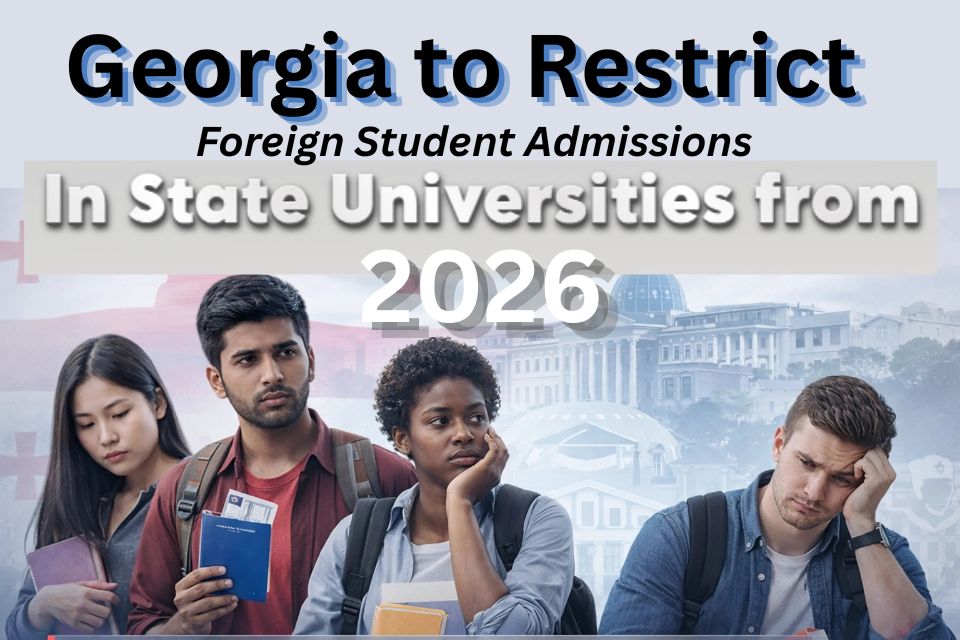
A big shift is coming for overseas learners in Tbilisi - Georgia plans changes to how higher education works. Public colleges will stop taking most international applicants by 2026, revealed Education Minister Givi Mikanadze. Exceptions might happen, though only under rare conditions. This move marks a clear turn in student access across the nation's university landscape. News about it first surfaced through Georgia Today.
A shift in policy kicks off changes across Georgia’s college landscape, where public institutions now focus more sharply on local learners. This move ties into larger efforts nationwide to reshape how universities operate and support citizens through education
Education Ministry Releases Official Statement
Fresh from talks with reporters, Minister Mikanadze put out word about upcoming legal changes meant to shape how the fresh approach rolls out. Starting next school term, public colleges across Georgia will mostly stop enrolling international students - though paths like student swaps or deals struck directly between schools might still open doors.
It was said by the minister: public universities should put Georgia first when shaping their priorities. Quality learning matters, so efforts will focus on making education better for locals.
State Universities Get Full Funding
Starting in 2026, public colleges across Georgia won’t charge tuition - state funds will cover all costs. This shift forms a core part of broader changes to how higher education is supported financially. Students who enroll will attend without paying fees.
One reason given by officials is that directing money toward public universities can boost how well research works. Shifting support this way may also improve teaching quality. Instead of spreading funds across many areas, concentrating resources can help universities better match the skills they teach with the jobs needed in the country. This change is part of wider education reforms currently underway.
Effects on international students
It's not like Georgia is shutting out international learners altogether. Rather, those coming from abroad might find their way more often into private colleges, where courses in tech, med school, or business still welcome global faces.
Right now, across Georgia, you’ll find scores of approved colleges and universities - quite a few run privately, welcoming students from abroad too.
Lately, more students from abroad have been arriving in the country, especially those enrolling in medicine courses. Nearly half of all pupils at certain state-run universities are said to come from overseas - showing just how large their role has become across Georgia's academic landscape.
Georgia Expands School Programs
A shift in how Georgia handles foreign student enrollment ties into broader shifts across its university system. Backed by new government strategy, adjustments touch everything from money flows to who makes decisions at schools. Goals center on matching what colleges offer with where the country wants to go.
However, the policy has also sparked debate among academics and policymakers, with some critics warning that limiting international enrollment could reduce global academic collaboration and international exchange.