A major step forward in heart care and high blood pressure treatment arrives at Gleneagles Hospital. Teaming up with Medtronic, a new centre opens its doors - focused squarely on Renal Denervation Therapy. This effort brings fresh possibilities to people struggling with stubborn forms of hypertension. Instead of relying only on medication, the clinic offers an alternative path. Targeting one of the most persistent health challenges today.
This partnership moves forward by opening new paths to reach people struggling with high blood pressure that pills can’t fully manage. One way it helps is by offering treatments using small devices instead of surgery. Not everyone responds well to drugs, so another option becomes necessary. With this shift, care reaches further than before. Solutions once limited now find wider use.
Resistant Hypertension Rising
Even when someone follows healthy habits and takes medicine, their blood pressure might still stay too high. This situation often points to a form of hypertension that does not ease with standard care. High blood pressure plays a major role in problems like strokes, heart attacks, trouble with kidneys, or failing heart muscle. Not everyone gets full relief even using several drugs meant to lower it. Such cases go by another name among doctors - resistant hypertension.
A new option appears at Gleneagles Hospital - Renal Denervation steps in where older treatments fall short.
Renal Denervation Therapy Explained?
Starting in the arteries, Renal Denervation uses a small tube to reach nerves near the kidneys. This method quietly lowers strong nerve impulses that push blood pressure up. Instead of drugs, it targets the link between kidney and brain. Nerves firing too much can raise pressure; this eases their signal. Not surgery, just a careful path through blood vessels. The goal sits clear: calm those wires running to the kidneys.
With tech built by Medtronic, doctors send precise energy into kidney arteries to adjust nerve signals. Over time, research shows this method helps lower blood pressure in certain people who qualify.
Patients spend just a few days in the hospital when receiving care from skilled interventionists who guide the process. This approach adds a reliable layer to standard therapies without replacing them. Safety and results shape its growing role in treatment plans.
Advanced cardiac care infrastructure strengthened
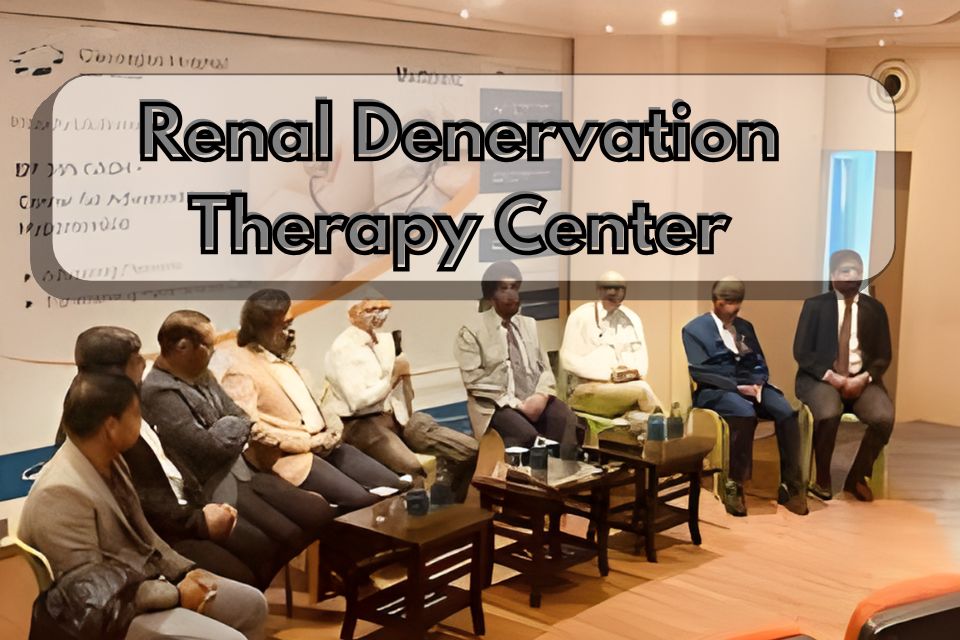
Patient care takes a quiet step forward at Gleneagles Hospital, now home to the new Renal Denervation Therapy Centre. Because of collaboration with Medtronic, advanced tools meet skilled hands in everyday medicine. Safety stays aligned with global benchmarks, thanks to shared methods and precise execution built on trusted guidelines.
Folks at the hospital pointed out the main thing this place will do is concentrate on:
- Careful patient selection through multidisciplinary evaluation
- Evidence-based treatment planning
- Post-procedure monitoring and long-term follow-up
- Ongoing physician training and skill enhancement
A Step Forward in Preventive Cardiology
A fresh step forward, one focused on heart health, begins with setting up a special centre just for RDN. Instead of scattered efforts, care now flows through a single path meant to tackle stubborn high blood pressure. Because tough cases often lead to bigger problems later, doctors see this as a way to cut future risks. With sharper focus, treatment gains direction - outcomes shift slowly, then clearly, for patients who need it most.
Facing rising heart-related illnesses, teamwork across clinics and tech innovators quietly reshapes how care improves. These connections open doors - slowly - to better healing options without fanfare.
One step inside the Renal Denervation Therapy Centre at Gleneagles Hospital, more people are finding relief through precise treatments that ease high blood pressure without major surgery. Though still new to many, this approach draws interest thanks to its subtle yet effective touch. Behind quiet doors, technology works steadily - offering another path where pills once ruled alone. With each passing month, faces change as individuals respond well, their routines steadier, lives less interrupted by spikes and warnings.