


Microplastics are tiny plastic particles less than 5 millimetres in size that are created moreover intentionally (as microbeads) or by the failure of larger plastic items. They are general pollutants found in oceans, water, and food, and can harm aquatic life and possibly human health through absorption or breath.
Microplastics present in all over parts of the human body, including the brain, blood, lungs, and placenta, and it can easily enter the body through absorption, inhalation, and skin contact. While its full health effects are still being researched, research suggests it still has potential links of inflammation, oxidative stress, and other issues, and the chemicals within plastics (like BPA and phthalates) are known to cause problems such as hormonal disruptions, and potential links to cardiovascular disease and certain cancers.
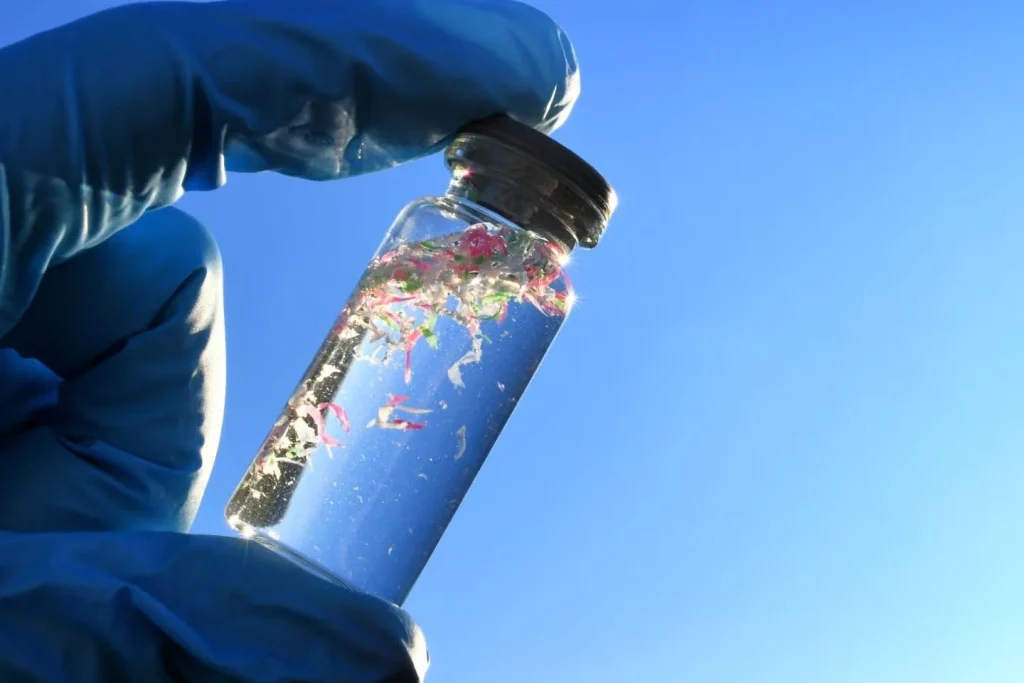
If you want to clear microplastics out of your body, you’ve got a few real options. Most of it comes down to what you eat and how you live, but there’s also a pretty new medical treatment if you need it.
it’s all starts with food. Solvable fibre is most useful for the process, like: chia seeds, flax, psyllium, oats, plus tons of fruits, veggies, and whole grains. These foods essentially seize onto microplastics in your gut and help flush them out.
Your gut health actually matters a lot. Collagen, zinc carnosine, and glutamine keep your stomach inner lining strong, by that you don’t engross as many microplastics in the first place.
Don’t forget the essentials. Drink a lot of water and move your body. Staying hydrated helps your kidneys filter out the junk, and regular exercise also keeps everything moving—your digestion, your sweat, all of it.
Stick with real, nutrient-rich foods. When you eat lots of vegetables, fruits, beans, and nuts—actual whole foods—you’re loading up on antioxidants and giving your body what it needs to fight off junk and repair itself.
You’ll probably hear about natural “binders” like tamarind or chlorella. Some early studies say they can catch microplastics in your gut and help carry them out. Still, we’re not totally sure yet—there’s just not enough evidence to call them a guaranteed fix.
Now, if your microplastic levels are sky-high, there’s the Clari Procedure. It’s this blood filtration thing some clinics offer. They take out your plasma, filter out microplastics, and put the clean stuff back in. Some places claim they can clear out up to 90% of microplastics in just two hours. But it’s costly, still new, and honestly, no-one knows if it works long-term.
Final Thoughts
Eat more fibre-rich foods, take good care of your gut health, stay active and hydrated, and use to eat real food (need to chew). That’s your best bet for helping your body deal with microplastics on its own. And if you’re dealing with serious exposure, sure, those high-tech treatments exist—but they’re still new and not for everyone.