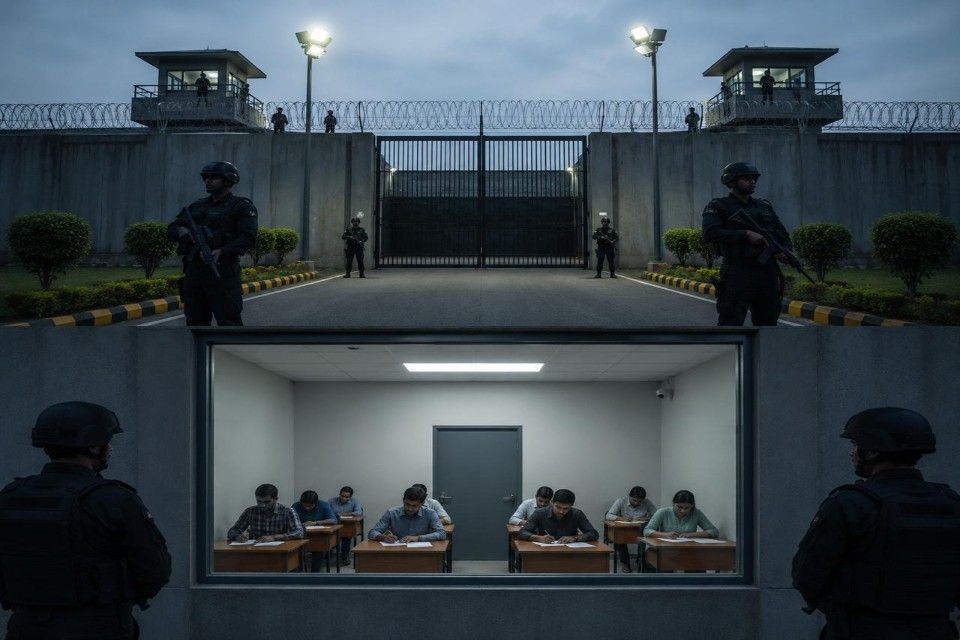
NEET serves as the gateway to undergraduate medical and dental courses across India. Given its importance, maintaining the credibility of the examination is crucial. The strict isolation protocol reflects the authorities' commitment to conducting a secure and transparent examination process.
Education experts have welcomed the decision, stating that stronger safeguards are necessary to protect the interests of genuine aspirants who dedicate years of preparation to achieve their medical dreams.
Why These Measures Matter
Over the past few years, concerns regarding examination irregularities have intensified public scrutiny of major competitive exams. In response, examination authorities have introduced several reforms, including:
- Enhanced surveillance systems
- Secure printing and transportation of question papers
- Biometric verification of candidates
- Advanced digital monitoring mechanisms
- Restricted access for personnel involved in paper preparation
The isolation of paper setters is being viewed as another significant step toward strengthening examination security.
Impact on NEET Aspirants
For students, these developments send a positive message. A secure examination process ensures that merit remains the deciding factor in admissions. Aspirants can focus on their preparation with greater confidence, knowing that authorities are taking extensive measures to uphold fairness.
Experts advise students to avoid rumours circulating on social media and rely only on official announcements regarding examination updates.
Looking Ahead
As NEET 2026 approaches, the focus remains on conducting a smooth, transparent, and leak-proof examination. The strict isolation of paper setters demonstrates the authorities' determination to protect the credibility of India's largest medical entrance exam.
For millions of aspiring doctors, the hope is that these measures will strengthen trust in the examination system and ensure a level playing field for every candidate.