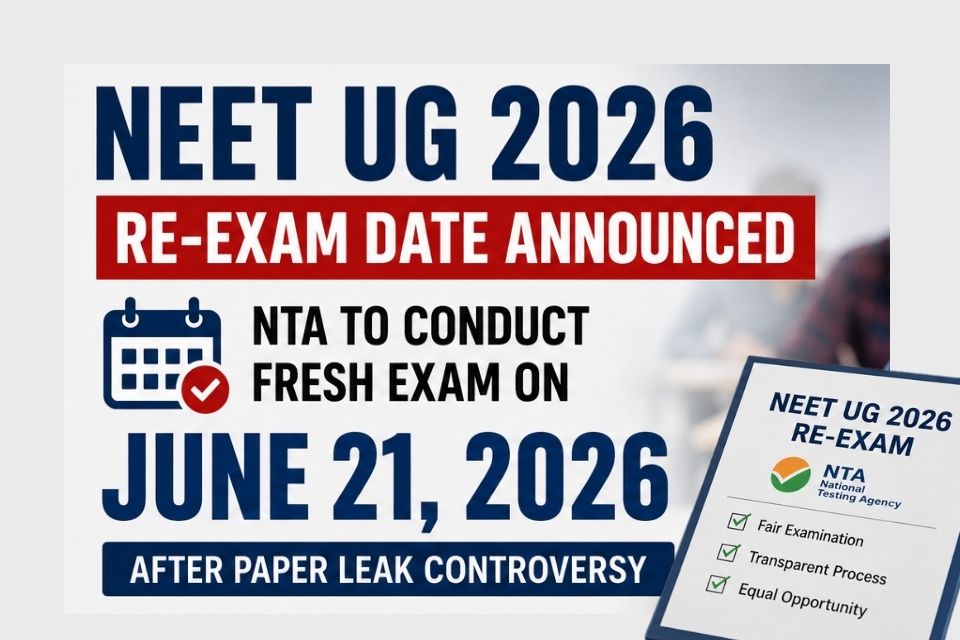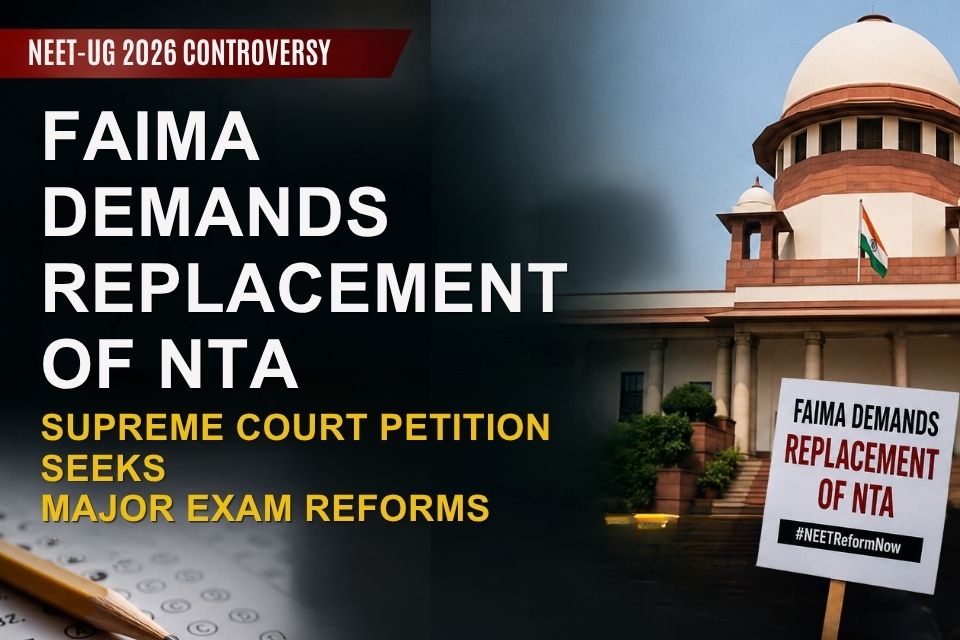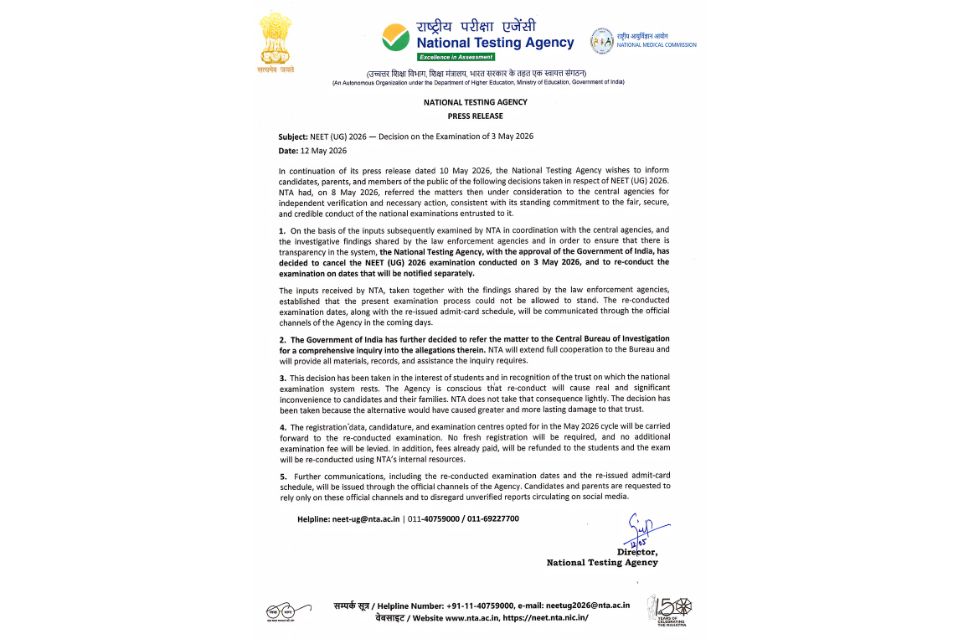
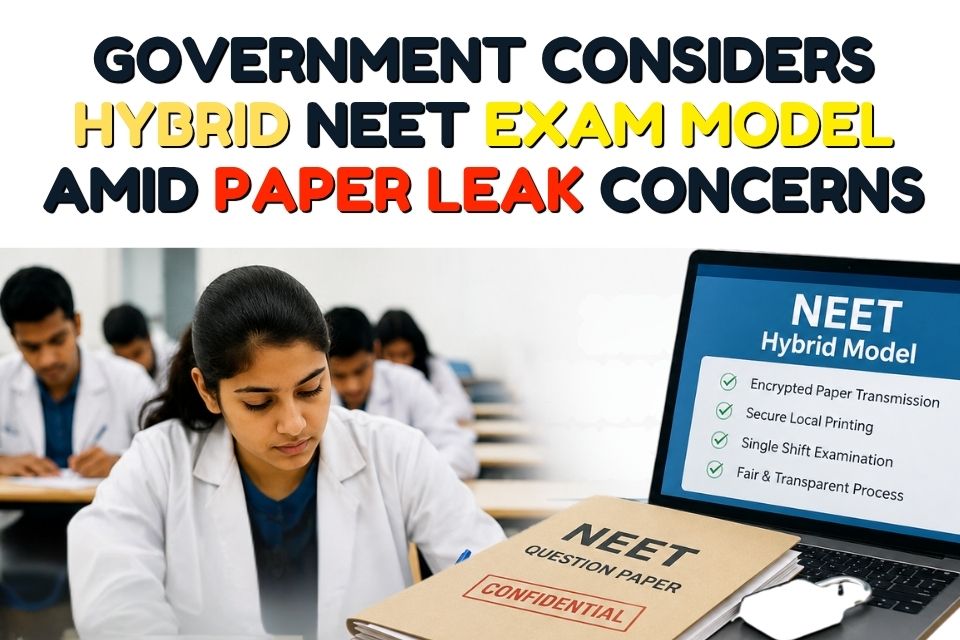
The National Eligibility cum Entrance Test (NEET), India’s largest medical entrance examination, may soon undergo a major structural transformation as authorities consider introducing a hybrid examination model following ongoing concerns over paper leaks and exam security.
According to reports, discussions are currently underway between the Union Health Ministry, the National Testing Agency (NTA), and the National Medical Commission (NMC) to redesign the examination process in a way that strengthens security while preserving fairness and accessibility for millions of aspirants.
Hybrid Model Under Consideration
The proposed hybrid model aims to combine digital technology with traditional pen-and-paper testing.
Under the plan, question papers would be transmitted digitally in encrypted form to designated examination centres shortly before the test begins. The papers would then be printed locally under strict security protocols, reducing the risks associated with transporting and storing physical question papers days in advance.
Officials believe this approach could significantly minimise vulnerabilities that have previously led to allegations of leaks and tampering.
Importantly, the hybrid model would still allow NEET to be conducted in a single day and single shift, a factor that policymakers consider critical for maintaining fairness among candidates.
Why a Full Online Shift Remains Difficult
Although there have been repeated calls to transition NEET into a fully computer-based test (CBT), authorities continue to face substantial logistical and infrastructural challenges.
NEET is one of the world’s largest entrance examinations, with nearly 23 lakh students appearing annually. Conducting such a massive examination online in a single session would require infrastructure that India currently does not possess.
Reports indicate that the existing CBT ecosystem would force the NTA to conduct the exam across nearly 20 shifts to accommodate all candidates. This raises serious concerns regarding:
Variation in question difficulty levels
Score normalization controversies
Perceived unfair advantages between shifts
The Health Ministry has reportedly emphasized that any future online NEET system should ideally operate in a single shift to avoid disputes related to evaluation fairness.
Concerns Over Fully Online Examinations
Beyond infrastructure limitations, officials have also flagged several practical concerns about a complete digital transition.
These include:
Limited availability of high-capacity computer testing centres
Internet connectivity issues in remote regions
Electricity reliability challenges
Cybersecurity threats and server failure risks
Unequal digital familiarity among students from rural backgrounds
Education experts argue that a sudden nationwide move to CBT could disadvantage students from underserved areas who may not have regular exposure to computer-based examinations.
Long-Term Infrastructure Expansion Proposed
A committee headed by former ISRO Chairman R. Radhakrishnan had earlier recommended comprehensive reforms to modernize the examination system.
Among its key proposals:
Establishing 400–500 standardized testing centers across India
Creating infrastructure capable of accommodating 2–2.5 lakh candidates per session
Gradually expanding advanced testing facilities to district headquarters nationwide
The committee’s recommendations are being viewed as part of a broader long-term strategy to improve examination integrity, scalability, and technological readiness.
Reform Discussions Gain Momentum
The renewed focus on examination reform follows widespread public concern over recurring NEET controversies and paper leak allegations. Policymakers now appear increasingly aligned on the need for systemic changes that can restore public trust while ensuring equal opportunity for aspirants.
While no final decision has yet been announced, the hybrid model is emerging as a practical middle path — balancing technological security with the inclusiveness and familiarity of offline examinations.
As consultations continue, millions of medical aspirants and educational institutions across the country will be closely watching the government’s next move regarding the future of NEET.