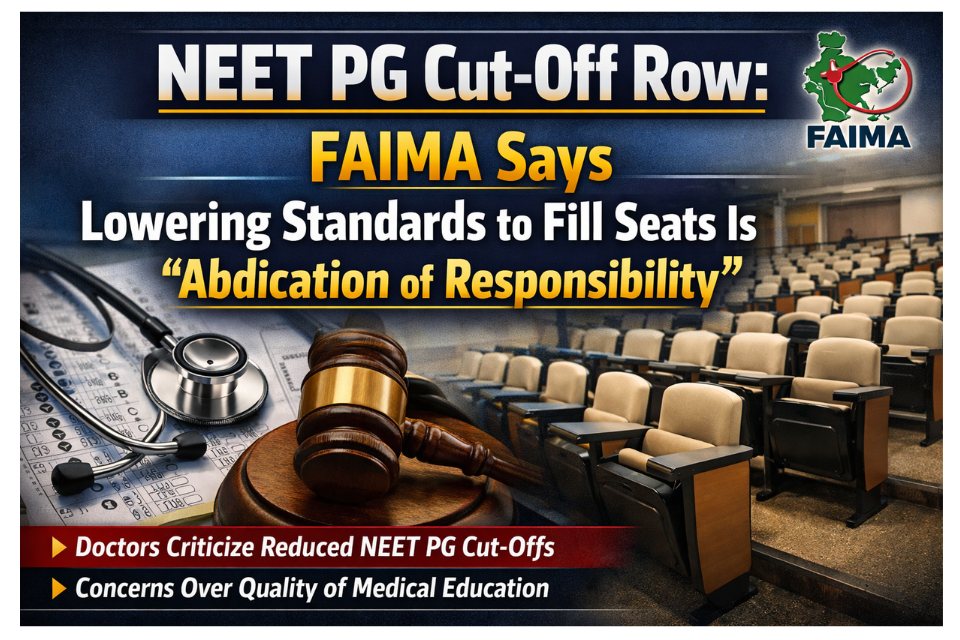
A fresh look at how fewer entry requirements for NEET PG are stirring debate among medical educators across India. Not just one group raising alarms - FAIMA pointing out serious gaps in training quality if standards slip further. Instead of lowering bars, some say, strengthening supervision might work better long term. From Kerala to Punjab, doctors question whether cutting thresholds helps rural care or weakens expertise. While exam access widens, critics warn that patient outcomes could pay the price later. Another angle gaining ground: matching seat supply with actual healthcare needs nationwide. Without systemic fixes, easier entry may simply flood an already strained system. Some trainees feel caught between policy shifts and real-world readiness
NEET PG Failing Standards as Medical Education Struggles
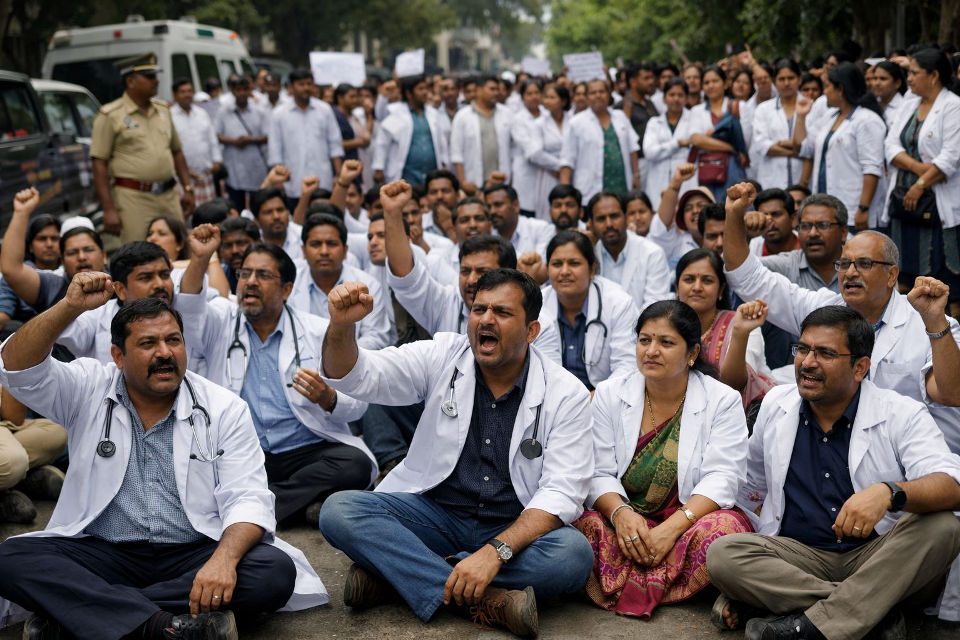
Morning light hits New Delhi on February 24, 2026 - doctors nationwide react strongly after a sudden drop in NEET PG entry marks for 2025–26. Leaders from FAIMA say the move shows leaders stepping back when they should step up. Quality worries flood into conversations among clinics and campuses. Medical Dialogues reports growing unease over what comes next for advanced training in medicine across India.
A shift in rules sparked debate when officials lowered the cutoff marks needed for NEET PG counseling - in certain groups dipping close to nothing or below zero - following two attempts to assign postgraduate spots that left many open.
FAIMA Stands by Standards Over Seat Numbers
Filled with concern, FAIMA pointed out that cutting entry requirements just to fill empty spots weakens trust in advanced medical education. Starting from the core goal, the association stressed exams such as NEET PG exist to test whether students meet basic skill levels prior to specialization - rather than serving as tools to assign positions without regard for ability. News reached via Medical Dialogues
Fear creeps in at FAIMA over what might come next if this path is taken - one where India's medical teaching framework faces long-term harm. Trust among citizens begins to fade when decisions like these go unchallenged. Training for specialist doctors risks slipping, just as higher levels of patient care demand more rigor. The worry isn’t small; it’s rooted in real consequences already starting to show. Medical Dialogues
Critics Warn of Lower Quality and Patient Harm
Startling voices rise from clinics and classrooms alike, backing FAIMA’s warning. Could letting in applicants with nearly zero - or worse, minus figures - on the NEET PG test weaken how doctors are trained? From there, risks might stretch into care settings where lives hang on skill. Outcries call these shifts bizarre, never seen before, breaking trust in fair academic gates. Some insist fairness fades when numbers stop mattering at entry points
Government And Legal Actions
Not long ago, officials stood by their stance in court, saying NEET PG exists mainly to rank students for seat allocation. What matters most, they said, is every person clearing it already holds an MBBS license. Training after admission comes with oversight, so letting more pass doesn’t mean lower standards. If too few get through, empty seats pile up - across public and private institutions alike. That gap means lost chances to strengthen medical services where help is needed.
Yet some object strongly, saying looser rules might weaken how doctors are trained and how well they perform - which could harm community health while clashing with rights like fairness and access to proper care. (Free Press Journal)
Empty Seats Widen Gaps
Fewer marks needed now to qualify, even as many postgraduate doctor spots stay empty across the country. This gap has lasted years, driven by steep costs at private colleges, meagre pay during training, uneven job placement. Some argue cutting score requirements only masks the problem - too few want these roles - instead of fixing what makes them hard to reach or afford.
What’s Next
A twist may come from the top court, eyeing how lower cutoffs might weaken learning levels - more sessions are coming up. What happens next might reshape rules on teaching bar, oversight power, yet also juggle empty desks against solid training norms across India's med schools.
Maybe I could add thoughts from those who teach medicine. Or slip in a short breakdown of how NEET PG counselling and qualification rules actually function.