New Delhi
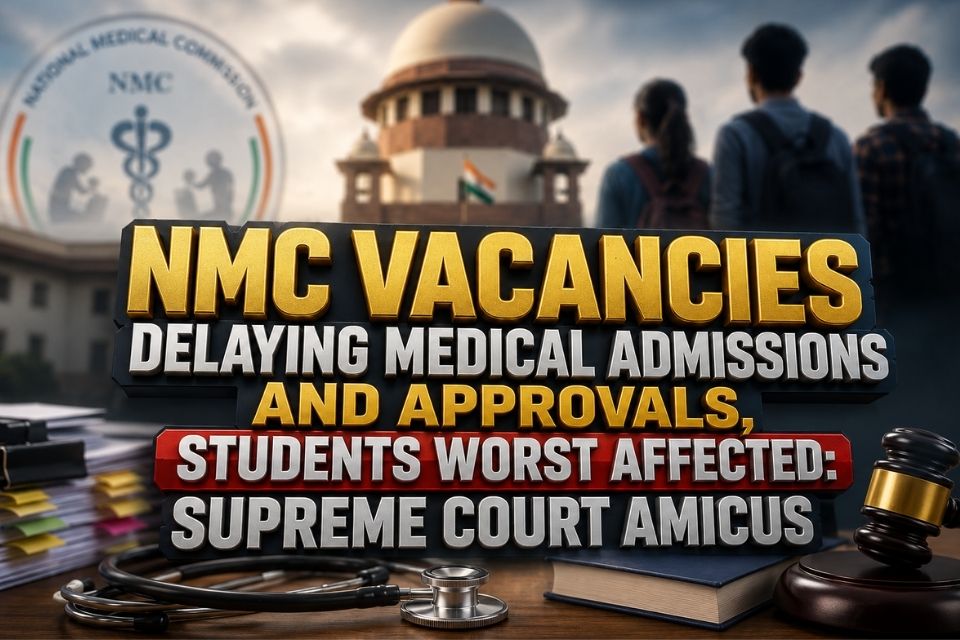
The National Medical Commission (NMC) has come under serious scrutiny after a Supreme Court-appointed amicus curiae highlighted that long-pending vacancies within the medical regulatory body are leading to major delays in medical admissions, approvals, inspections, and appeals across the country.
The concerns were presented before the Supreme Court by senior advocate Maninder Singh, who stated that the administrative gaps within the NMC are adversely impacting the functioning of medical education in India, with students bearing the maximum burden of these delays.
Admissions and Academic Schedules Severely Impacted
According to the submission before the Apex Court, delays in regulatory approvals and decision-making processes have disrupted academic schedules for both undergraduate and postgraduate medical courses.
The report noted that admissions for MBBS courses during the 2025-26 academic session reportedly continued till December 2025, while postgraduate medical admissions extended till February 2026. Several colleges were also awaiting permissions, seat approvals, and renewals even after classes had already commenced.
The amicus curiae observed that such delays create uncertainty for medical aspirants and institutions alike, affecting counselling schedules, academic planning, and seat allocation processes nationwide.
Students Described as the “Biggest Sufferers”
Highlighting the human impact of the administrative delays, the report stated that students are the “biggest sufferers” of the current system. Delayed approvals and pending appeals often leave students uncertain about admissions, course recognition, and academic continuity.
In several cases, appeals related to seat increases and institutional approvals reportedly remain unresolved until counselling rounds are completed, rendering the appeal process ineffective.
The report emphasized that medical seats are valuable national resources and procedural inefficiencies should not lead to unnecessary wastage of opportunities for aspiring doctors.
Key Vacancies Within NMC Raise Concerns
The amicus curiae also pointed to the continued vacancy of several statutory and administrative posts within the National Medical Commission and its autonomous boards.
Despite the implementation of the NMC Act years ago, many key positions reportedly remain unfilled, affecting the smooth functioning of the regulatory system. The vacancies have allegedly slowed down critical processes such as:
Approval of new medical colleges and courses
Renewal of existing permissions
Increase in MBBS and postgraduate seats
Conduct of inspections and compliance reviews
Disposal of institutional appeals
The report further observed that the absence of regular office-bearers and delays in appointments have weakened administrative efficiency within the medical education regulator.
Transparency and Governance Issues Highlighted
Apart from vacancies, the submission also raised concerns regarding transparency in the functioning of the NMC.
According to the report, inspection reports and important regulatory decisions are not consistently uploaded or made publicly accessible despite statutory requirements for transparency. Medical colleges and stakeholders reportedly face difficulties in obtaining timely information related to inspections, permissions, and compliance status.
The observations have added to the ongoing debate surrounding accountability and governance within India’s medical education system.
Supreme Court Closely Monitoring Medical Education Issues
The Supreme Court has recently been hearing multiple matters related to medical admissions, vacant seats, counselling delays, and regulatory approvals.
During previous hearings, the Court has repeatedly stressed that medical seats should not remain vacant because of administrative inefficiencies or delayed decision-making processes.
The latest observations regarding vacancies in the NMC are expected to increase pressure on authorities to expedite appointments and improve the overall efficiency of the country’s medical regulatory framework.
Parliamentary Committee Had Earlier Raised Similar Concerns
The issue of vacancies within the National Medical Commission had also been flagged earlier by a Parliamentary Standing Committee on Health.
The committee had recommended that the Central Government undertake a time-bound process to fill all
vacant statutory positions in order to strengthen the governance and functioning of medical education administration in India.
Conclusion
The latest developments have once again highlighted the growing concerns surrounding delays, administrative gaps, and transparency issues within the National Medical Commission. As the Supreme Court continues to monitor medical admission-related matters, stakeholders across the medical education sector are expecting faster reforms and improved regulatory efficiency to protect the interests of students and institutions alike.
Key Highlights
Supreme Court amicus raises concerns over NMC vacancies
Delays affecting medical admissions, inspections, approvals, and appeals
MBBS admissions reportedly continued till December 2025
PG admissions extended till February 2026
Students termed the “biggest sufferers”
Transparency concerns regarding inspection reports and approvals flagged
Supreme Court monitoring broader medical education issues