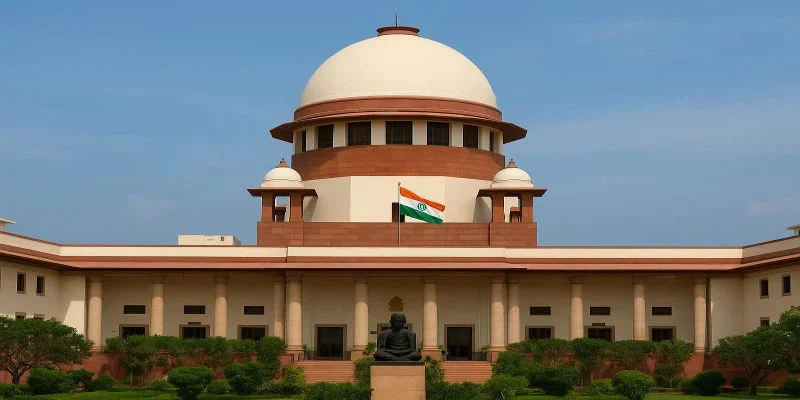
In a significant move, the Supreme Court of India has issued a contempt notice to the Centre and several State governments over the delay in implementing the National Commission for Allied and Healthcare Professions (NCAHP) Act.
The Court expressed serious concern that despite the law being enacted to regulate allied and healthcare professionals, its provisions have not been fully operationalised across the country.
📜 What is the NCAHP Act?
The NCAHP Act, 2021 was introduced to:
Standardize education and training for allied and healthcare professionals
Establish professional councils at the national and state levels
Maintain a central register of qualified professionals
Improve patient safety and accountability
Allied health professionals include physiotherapists, laboratory technicians, radiographers, nutritionists, and many other healthcare workers who play a vital role in India’s medical system.
⚠️ Why Did the Supreme Court Intervene?
The Supreme Court of India noted that:
Several states have not yet constituted State Allied and Healthcare Councils.
Regulatory mechanisms mandated under the Act are pending.
Lack of implementation affects professional recognition and public healthcare standards.
The Court warned that failure to implement a parliamentary law cannot be taken lightly and sought explanations from authorities regarding non-compliance.
🏥 Why This Matters for Healthcare & Students
The delay directly impacts:
Allied health students awaiting proper professional registration
Hospitals and institutions needing regulated staffing frameworks
Public healthcare delivery, where standardized training ensures quality care
For medical and paramedical aspirants, the Act is crucial for career clarity, licensing, and mobility within India and abroad.
The Supreme Court’s strict stance underscores the importance of timely execution of healthcare reforms. As India expands its medical education and healthcare infrastructure, full implementation of the NCAHP Act is essential to ensure professional standards, patient safety, and system-wide accountability.
This case will be closely watched by policymakers, healthcare institutions, and thousands of allied health professionals across the country.